

I Love Speed Skating
RockeringPacked by hand in Kamloops, BC. Not sure what fits? Ask Sandi
1 / 2
Pennington
Loading product options...
Precision Blade Bender (New Model)
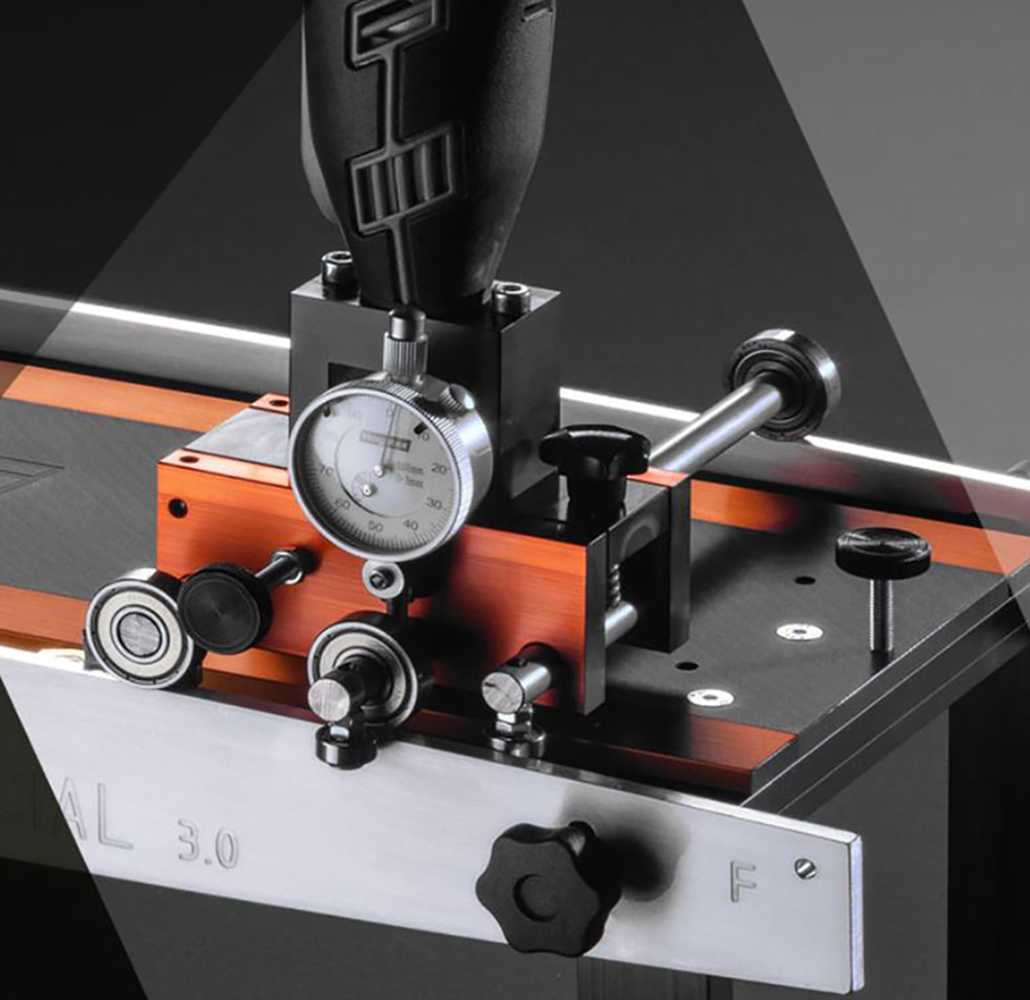
The Precision Blade Bender (New Model) is a simple, easy-to-use tool designed for accurate and consistent blade bending. Built with a high-leverage mechanism, it delivers smooth operation with minimal effort, making it ideal for both professional and workshop use.
Now upgraded with a larger bending wheel, this PENNINGTON Short track bender provides improved control and precision. The infinitely variable blade supports allow for flexible positioning, ensuring compatibility with a wide range of blade sizes and profiles. An optional accessory fitting is also available to further expand its functionality.
Key Features:
High-leverage design for effortless operation
Larger bending wheel for enhanced accuracy
Infinitely adjustable blade supports
Compatible with optional add-on accessories
Durable, workshop-ready construction
Aluminum Alloy
Aluminum alloy is a material made by combining aluminum with other elements—such as magnesium, silicon, copper, or zinc—to improve its strength, durability, corrosion resistance, and other mechanical properties.
Pure aluminum is lightweight and corrosion-resistant but relatively soft. By adding alloying elements, manufacturers can significantly enhance its performance for structural, industrial, and consumer applications.
Key Characteristics
Lightweight – About one-third the weight of steel
High strength-to-weight ratio – Strong yet easy to handle
Corrosion resistant – Naturally forms a protective oxide layer
Good conductivity – Conducts heat and electricity efficiently
Formable and machinable – Easy to shape, bend, and machine
Recyclable – 100% recyclable without loss of properties
Common Alloying Elements & Their Effects
Magnesium – Increases strength and corrosion resistance
Silicon – Improves casting properties
Copper – Adds strength but may reduce corrosion resistance
Zinc – Significantly increases strength
Manganese – Enhances durability and workability
Main Alloy Series (Wrought Alloys)
1000 Series – Nearly pure aluminum (excellent corrosion resistance)
2000 Series – Aluminum-copper alloys (high strength)
3000 Series – Aluminum-manganese alloys (good workability)
5000 Series – Aluminum-magnesium alloys (marine applications)
6000 Series – Aluminum-magnesium-silicon alloys (structural use)
7000 Series – Aluminum-zinc alloys (very high strength)
Typical Applications
Aerospace components
Automotive parts
Construction materials
Marine equipment
Industrial machinery
Consumer products – Sports equipment & tooling
Aluminum alloys are widely used where strength, low weight, and corrosion resistance are critical.
I Love Speed Skating
Rockering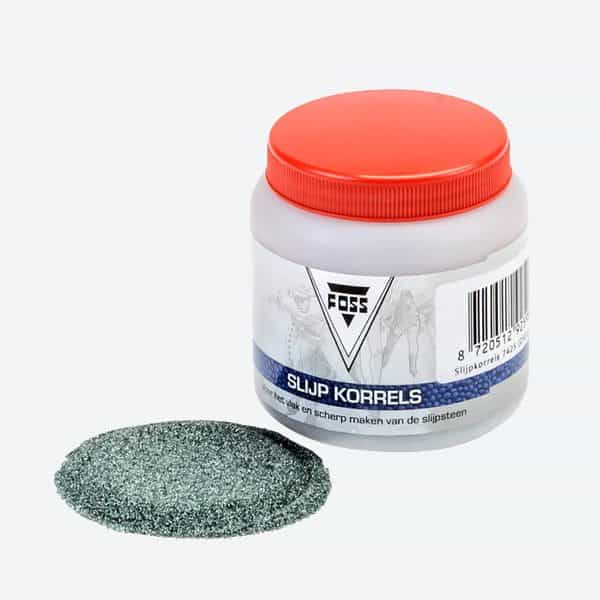
Foss
Foss Stone Grit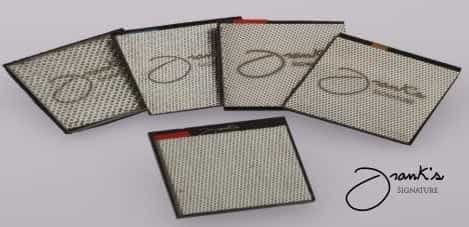
Nagano Skate
Nagano Diamond Burr Double Sided 140/400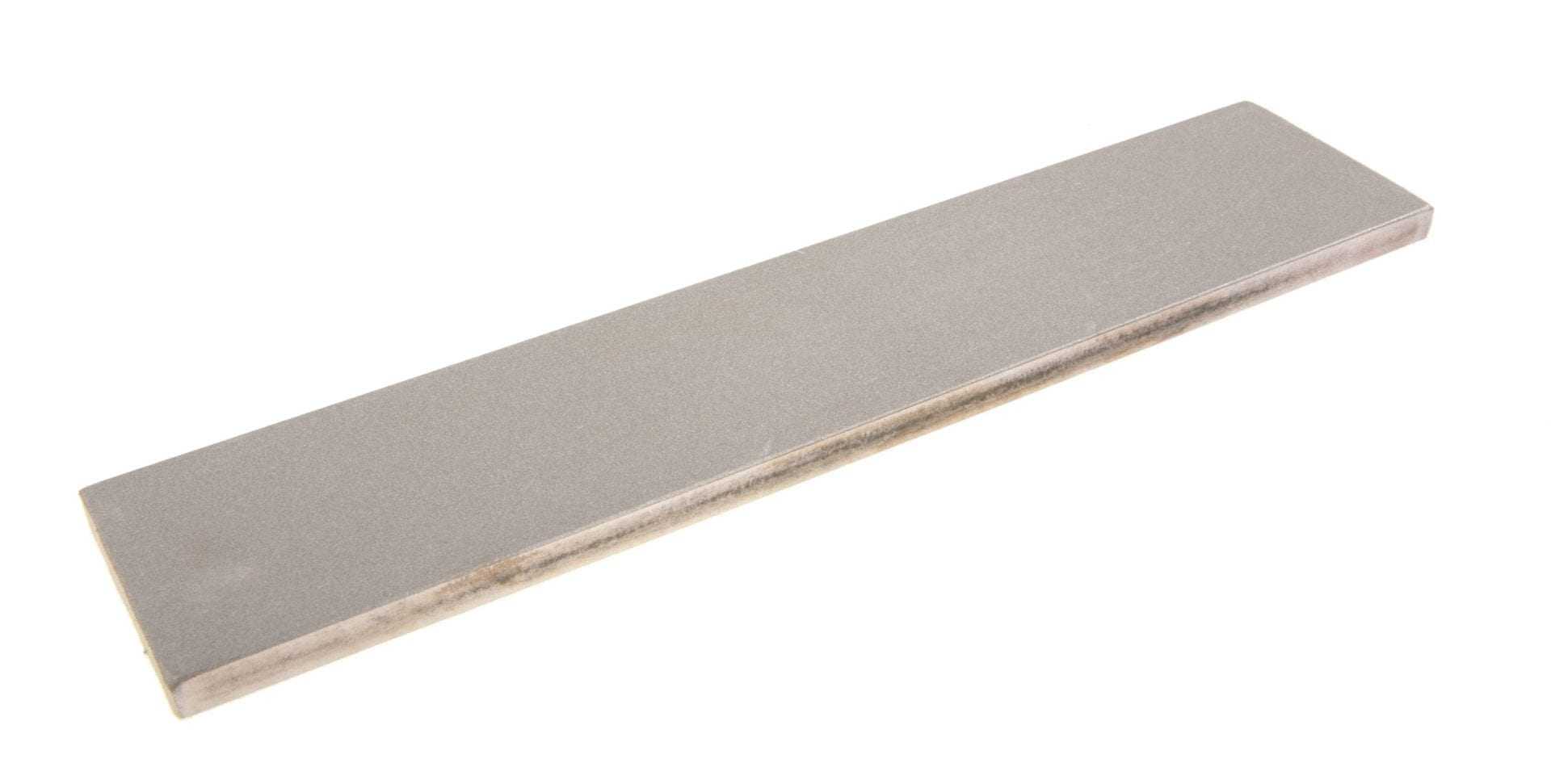
CA$25.00
CA$24.99
CA$34.00
CA$99.99Was CA$119.99
Precision Blade Bender (New Model)
The Precision Blade Bender (New Model) is a simple, easy-to-use tool designed for accurate and consistent blade bending. Built with a high-leverage mechanism, it delivers smooth operation with minimal effort, making it ideal for both professional and workshop use.
Now upgraded with a larger bending wheel, this PENNINGTON Short track bender provides improved control and precision. The infinitely variable blade supports allow for flexible positioning, ensuring compatibility with a wide range of blade sizes and profiles. An optional accessory fitting is also available to further expand its functionality.
Key Features:
High-leverage design for effortless operation
Larger bending wheel for enhanced accuracy
Infinitely adjustable blade supports
Compatible with optional add-on accessories
Durable, workshop-ready construction
Aluminum Alloy
Aluminum alloy is a material made by combining aluminum with other elements—such as magnesium, silicon, copper, or zinc—to improve its strength, durability, corrosion resistance, and other mechanical properties.
Pure aluminum is lightweight and corrosion-resistant but relatively soft. By adding alloying elements, manufacturers can significantly enhance its performance for structural, industrial, and consumer applications.
Key Characteristics
Lightweight – About one-third the weight of steel
High strength-to-weight ratio – Strong yet easy to handle
Corrosion resistant – Naturally forms a protective oxide layer
Good conductivity – Conducts heat and electricity efficiently
Formable and machinable – Easy to shape, bend, and machine
Recyclable – 100% recyclable without loss of properties
Common Alloying Elements & Their Effects
Magnesium – Increases strength and corrosion resistance
Silicon – Improves casting properties
Copper – Adds strength but may reduce corrosion resistance
Zinc – Significantly increases strength
Manganese – Enhances durability and workability
Main Alloy Series (Wrought Alloys)
1000 Series – Nearly pure aluminum (excellent corrosion resistance)
2000 Series – Aluminum-copper alloys (high strength)
3000 Series – Aluminum-manganese alloys (good workability)
5000 Series – Aluminum-magnesium alloys (marine applications)
6000 Series – Aluminum-magnesium-silicon alloys (structural use)
7000 Series – Aluminum-zinc alloys (very high strength)
Typical Applications
Aerospace components
Automotive parts
Construction materials
Marine equipment
Industrial machinery
Consumer products – Sports equipment & tooling
Aluminum alloys are widely used where strength, low weight, and corrosion resistance are critical.